When a Cold Tire Is Inflated to a Certain Pressure
When a Cold Tire Is Inflated to a Certain Pressure. If playback doesnt begin shortly try restarting your device.
How Can Cold Weather Affect Tire Pressure And How Dangerous Is It Arabiaweather Arabiaweather
If your recommended tire pressure is 32 PSI that means 32 PSI before you put rubber to the road and the tires heat up.
. To go started you lot might want to refer to the post-obit guide for things to look. When a cold tire is inflated to a certain pressure and then is warmed up due to friction with the road the pressure increases. Tire manufacturers have a recommended psi which dictates an.
Driving on under-inflated tires hurts your gas mileage increases tire wear and could result in unsafe driving conditions like poor vehicle handling or a tire blow out. It is also important to note that the inflation pressure of a car tire tends to drop as the temperature lowers. This practice is referred to as setting the cold tire pressure.
If necessary add or release air until the specified pressure is reached. For every 10-degree drop in temperature tire pressure decreases 1-2 PSI emails Rich White executive director of the Car Care Council. If your tire pressure is dialed in at 50 F for example then a drop of 30 or 40 into sub-freezing territory means you could be meaningfully below vehicle psi specification and that can trigger the Tire Pressure Monitoring System TPMS warning light.
This means that your tires could be 5 to 10 psi lower than required on a 24-degree day than they are on a 74-degree day. For this reason yall should get the best TPMS for it. Low tire pressure can make a vehicle handle poorly.
This happens because- Air molecules speed up and collide with the tire walls more often. The National Highway Traffic Safety Administration requires the TPMS to display an alert when tire pressure drops 25 percent below the recommended psi. Many of these crashes occur during the coldest months of the year.
When a cold tire is inflated to a certain pressure and then is warmed up due to friction with the road the pressure increases. Get out your tire pressure gauge. Impacts of low tire pressure.
PSI stands for pounds per square inch and is a common unit for measuring pressure. Thats because air contracts when its cold causing tire pressure to drop between one and two psi for every 10-degree decrease in temperature. As a result this can cause your tire pressure to turn on.
It is very important to check the pressure of your tires when it is cold outside and to keep tires inflated to the proper levels. When a cold tire is inflated to a certain pressure and then is warmed up due to friction with the road the pressure increases. Because the a.
The Impact of Cold Weather on Your Cars Tires. When a cold tire is inflated to a certain pressure and then is warmed up due to friction with the road the pressure increases. The area of contact between tire and road will increase as the pressure decreases because force pressure contact area and thus the bottom of the tire flattens a.
In most cases as you begin driving and your car and tires begin to heat up the tire pressure light should turn off. When a cold tire is inflated to a certain pressure and then is warmed up due to friction with the road the pressure increases. Air molecules hit the walls of the tire less frequently.
If checked when hot tire pressure can be as much as 46 psi 3040 kPa 0304 kgfcm2 higher than if checked when cold. For instance it is normal for car owners to see tire pressure dropping. 8 Things Your Car Needs in Winter.
Cold shrinks warm expands basically. Thats because air contracts when its cold causing tire pressure to drop between one and two psi for every 10-degree decrease in temperature. The low tire pressure in the cold weather can negatively impact the car performance and also.
The inflation pressure in tires generally drops by 1 to 2 psi for every 10 degrees the temperature lowers. 8 Things Your Car Needs in Winter. This means that your tires could be 5 to 10 psi lower than required on a 24-degree day than they are on a 74-degree day.
Nevertheless recreational vehicle tires are vital components that need constant pressure and temperature monitoring. This happens because the Air molecules speed up and collide with the tire walls more often. The tire can drop almost 1 or 2 pounds PSI in every 10 degrees Fahrenheit so test the four tires altogether whenever you check.
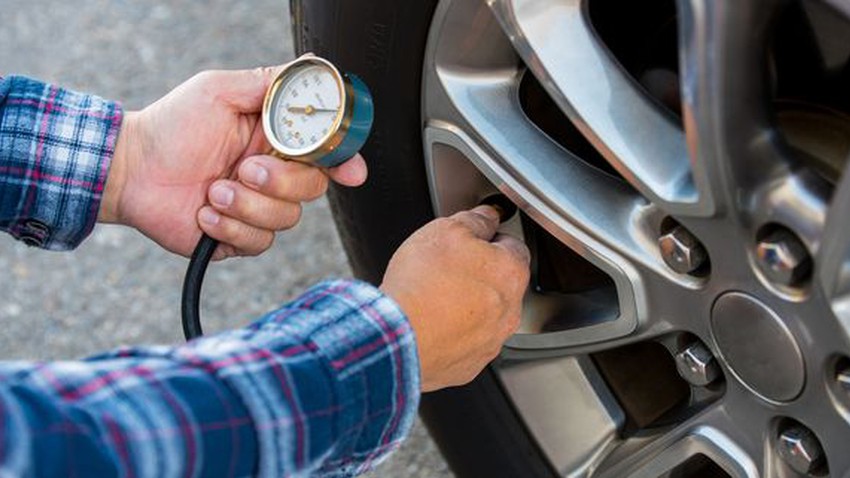
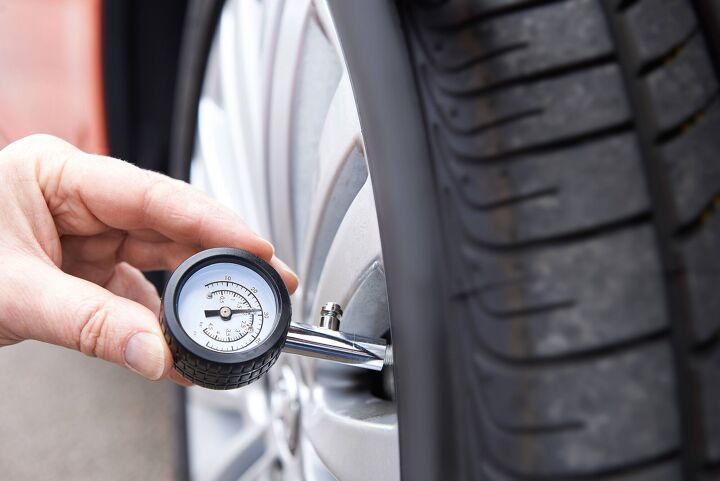
Thats because air contracts when its cold causing tire pressure to drop between one and two psi for every 10-degree decrease in temperature. Tire pressure gauges can be purchased for a few dollars at most big box retailers. Appropriate inflation rates can vary from car to car but your vehicles owner manual should indicate a recommended cold tire inflation Pounds per Square Inch PSI rate.
If your vehicle is equipped with a tire-pressure-monitoring system check individual tire pressure readouts in the driver information center and re-inflate them to the recommended psi as. Thats because air contracts when its cold causing tire pressure to drop between one and two psi for every 10-degree decrease in temperature. In cold temperatures air molecules tend to shrink.
Air molecules hit the walls of the tire. If you live in an area that experiences extremely cold weather this can also cause an inaccurate tire pressure reading. This means that your tires could be 5 to 10 psi lower than required on a 24-degree day than they are on a 74-degree day.
For cold tires a tire pressure of 32-35 PSI is recommended. Also when you drive your car and the tires warm up the pressure in the tires will increase one psi during each five-minute interval in the first 15 to 20 minutes you drive. Measure the air pressure when tires are cold.
According to the experts since the temperature tends to fall or up you should check tire inflation frequently. Rubber in the tire reacts with the oxygen in the atmosphere. Under inflated tires tend to overheat which could lead to a blowout.
This happens because the. Tires tend to wear out much faster when they are not properly inflated. A tire pressure between 4 and 6 PSI above the recommended tire pressure is ideal for warm tires.
This means that your tires could be 5 to 10 psi lower than required on a 24-degree day than they are on a 74-degree day. Issues with tires contribute to approximately 11000 crashes annually according to the National Highway Traffic Safety Administration. Various By Iris J.
This happens because the. This means the vehicle has been parked for at least three hours or driven less than 1 mile 16 km. Rubber in the tires reacts with oxygen in the atmosphere.
In other words you need to inflate your tires to the correct pressure immediately.

Tip Of The Day Keep Your Tires Properly Inflated Driving On Under Inflated Tires Can Cause Tires To Over Car Repair Service New Tyres Car Tires
Why Driving On Under Inflated Tires Is Bad Autoguide Com News

We Recommend That Tires Be Inflated To The Vehicle Manufacturer S Recommendations As Found On The Vehicle Tire Information Owners Manuals Pressure Air Pressure

Educational Revolution Inflated Tire Pressure


Comments
Post a Comment